
Optimal Timing for Windows Installations
Windows installations are a critical component of maintaining optimal computer performance and security. Timing these installations appropriately can minimize disruptions and ensure compatibility with system updates and hardware upgrades.
Spring offers moderate temperatures ideal for system upgrades, reducing the risk of overheating during installation.

Summer may present challenges due to higher temperatures, but early morning or late evening installations can mitigate risks.

Fall provides cooler weather and less user activity, making it a suitable time for comprehensive Windows updates.

Ways to make Windows Installations work in tight or awkward layouts.

Popular materials for Windows Installations and why they hold up over time.

Simple add-ons that improve Windows Installations without blowing the budget.

High-end options that actually feel worth it for Windows Installations.

Finishes and colors that play nicely with Windows Installations.
The best time for Windows installations is during periods of low system usage, typically in the evenings or weekends, to minimize operational disruptions.
Installing Windows updates during off-peak hours helps prevent interference with daily workflows and reduces downtime.
Backing up important data and ensuring stable internet connections prior to installation can prevent data loss and connectivity issues.
Regular installations and updates are recommended to maintain security and performance, often aligned with Microsoft's update schedule.
| Season | Advantages |
|---|---|
| Spring | Moderate temperatures and lower humidity |
| Summer | Longer daylight hours, early mornings or evenings recommended |
| Fall | Cooler weather and less system activity |
| Winter | Potential for colder temperatures, plan for indoor installation |
| Off-Peak Hours | Minimized disruptions and better system stability |

Proper timing ensures smoother installation and reduces the risk of errors.

Preparing your system before installation can save time and prevent issues.

Selecting off-peak hours helps minimize impact on daily operations.

Verifying system functionality after installation ensures optimal performance.

Little measurements that prevent headaches on Windows Installations day.

A 60-second routine that keeps Windows Installations looking new.

A frequent mistake in Windows Installations and how to dodge it.
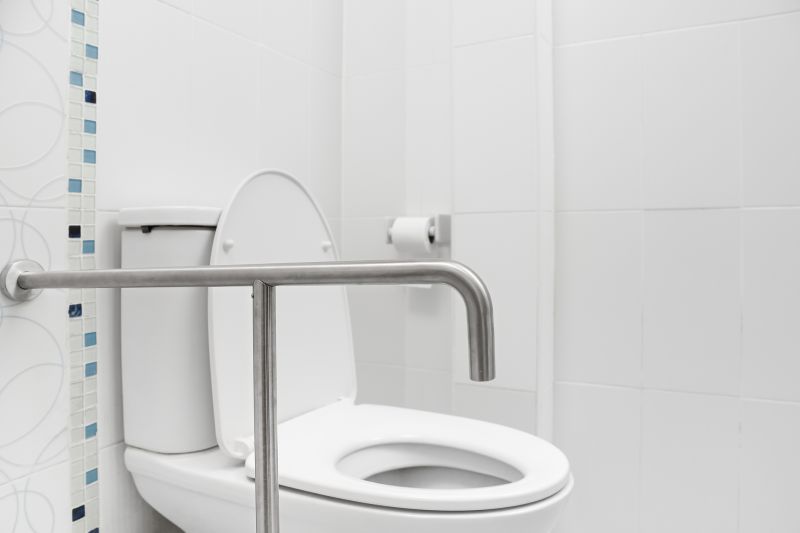
Small tweaks to make Windows Installations safer and easier to use.
Windows installations are essential for maintaining security, compatibility, and performance. Timing these updates carefully can lead to smoother processes, less downtime, and improved system stability. Regular updates are recommended to address security vulnerabilities and ensure access to the latest features.

Monitoring update schedules helps plan installations during optimal times.

A stable environment supports successful system upgrades.
Ensuring all components function correctly after updates.

Lower-waste or water-saving choices for Windows Installations.

The short, realistic tool list for quality Windows Installations.
Rough timing from prep to clean-up for Windows Installations.

Quick checks and paperwork to keep after Windows Installations.

Examples that show the impact a good Windows Installations can make.
Interested in scheduling a Windows installation or update? Filling out the contact form can help coordinate the best timing for system upgrades to ensure minimal disruption and maximum efficiency.